Share this program

Summary

Work Choice aimed to encourage employment through health insurance and child care benefits and voluntary participation in employment and training activities for single parents with children ages 1 to 5.

Work Choice was one of the demonstration projects made possible by Section 1115 waivers to the rules in effect at the time for the Aid to Families with Dependent Children (AFDC) program. These Section 1115 waivers allowed states to test new approaches to advance the objectives of the AFDC program.

As part of the demonstration, individuals assigned to the Work Choice group were required to participate in an employability assessment to determine job readiness and a vocational counseling session. At the assessment, participants were offered up to 12 months of transitional Medicaid coverage and child care payments if they obtained employment.

The transitional Medicaid coverage was designed to ease the transition from Medicaid to coverage provided through a private employer and to account for the possible loss of health care coverage at an entry-level job. Participants also qualified for reimbursement of child care expenses through Work Choice, up to $160 per child per month for 12 months.

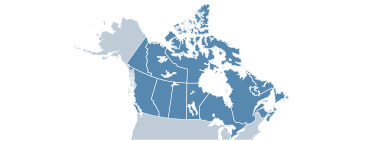
At the time Work Choice was designed, the national AFDC program provided only 4 months of transitional Medicaid and no transitional child care. After the assessment, Work Choice participants could receive employment-related services on a voluntary basis. Participants were sanctioned if they did not fulfill the mandatory work-readiness assessment or vocational counseling requirements. The program operated in Montgomery County, OH.

Populations and employment barriers: Public benefits recipients, Cash assistance recipients, Parents, Single parents

Implementation at a glance

Primary service
Job readiness
Program services
Earned income disregards, Job readiness, Job search assistance, Performance- or behavior-based financial incentives, Subsidized employment/transitional jobs, Unpaid work experience/internships
Setting(s)
Tested in multiple settings
Year evaluation began
1989
Implementing organization(s)Ohio Department of Job & Family Services

Effectiveness ratings

  • Well- supported
  • Supported
  • Mixed support
  • Not supported
  • Insufficient evidence
  • Cannot assess support

Studies of this program

Study quality rating Study counts per rating
Low Low 1

Program cost

No cost information available.

Cost results

Estimate (in 2024 dollars) Quality of cost analysis that produced the estimate
Annual program cost, per participant * $1,738
Acceptable quality
Annual net benefit to participants, per participant -$156
Good quality

* See below for further details on the cost analysis.

Cost information

How much did the program cost per participant?

The average annual program cost per participant was $1,738 in 2024 dollars. This figure is based on cost information for this program reported in one cost study reviewed by Pathways to Work (for details, see the FAQ). The study reported a monthly average cost per participant, with all participants having at least an 18-month follow-up period. The monthly cost was converted to an annual program cost per participant for reporting. This study received a rating of Acceptable quality for the cost analysis.

How much did the program cost relative to the benefits it generated?

A cost-benefit analysis was conducted in the cost study reviewed, receiving a rating of Good quality. The study reported a net benefit per month with participants having an 18-month follow-up period. The monthly net benefit was converted to an annual net benefit for reporting. The annual net benefit to participants was -$156 per participant in 2024 dollars. This means that the annual net program benefit to participants (difference in benefits between the program and comparison group) was $156 less than the annual net cost of the program to participants. The estimate is expressed as the net present value, which accounts for differences in the timing of when benefits and costs occurred. In addition, the annual net benefit to government was -$367 per participant in 2024 dollars. The study broke out the annual net benefit to government into an annual net benefit to the federal government of -$164 per participant and an annual net benefit to state and local governments of -$203 per participant in 2024 dollars.

Cost information is not directly comparable across programs due to differences in the categories of costs reported and program length. Cost information is not an official price tag or guarantee.

Implementation details

Local context

Pathways to Work refers to programs by the names used in study reports or manuscripts. Some program names may use language that is not consistent with our style guide, preferences, or the terminology we use to describe populations.