Share this program

Summary

SNAP Works 2.0 offered access to job search training and assistance, career planning and case management, support services, financial incentives, and education and occupational skills training opportunities for SNAP participants who were able-bodied adults without dependents.

Enhanced job search training and assistance services included weekly one-on-one meetings and a series of group-based workshops held by agency case managers over a four to six week period. Case managers monitored and coordinated service delivery and also provided refers to service providers. Interested participants who completed initial job search activities could enroll in educational or occupational skills courses.

All participants were required to conduct independent job search activities for a four-week period. Case management supports were available for at least four weeks and could continue either as long as requested or until 90 days after being employed.

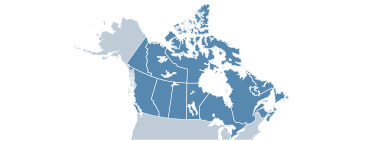
The program targeted all SNAP participants who were able-bodied adults without dependents in 10 counties in and near the Atlanta, GA and Savannah, GA metropolitan areas.

Populations and employment barriers: Public benefits recipients, Unemployed

Implementation at a glance

Program services
Case management, Job readiness, Job search assistance, Performance- or behavior-based financial incentives, Transportation assistance
Setting(s)
Tested in multiple settings
Year evaluation began
2016
Implementing organization(s)Georgia Department of Labor; local workforce investment agencies (DeKalb Workforce Services, Atlanta Regional Commission, Coastal Workforce Services)

Effectiveness rating and effect by outcome domain

View table definitions

Scroll to the right to view the rest of the table columns

Outcome domain Term Effectiveness rating Effect in 2024 dollars and percentages Effect in standard deviations Sample size
Increase earnings Short-term Little evidence to assess support unfavorable $-474 per year -0.013 4596
Long-term Little evidence to assess support favorable $729 per year 0.020 4596
Very long-term Cannot assess support
Increase employment Short-term Little evidence to assess support unfavorable 0% (in percentage points) -0.002 4596
Long-term Little evidence to assess support unfavorable 0% (in percentage points) -0.004 4596
Very long-term Cannot assess support
Decrease benefit receipt Short-term Little evidence to assess support unfavorable $72 per year 0.021 4596
Long-term Little evidence to assess support favorable $-38 per year -0.011 4596
Very long-term Cannot assess support
Increase education and training All measurement periods Cannot assess support

Effectiveness ratings

  • Well- supported
  • Supported
  • Mixed support
  • Not supported
  • Insufficient evidence
  • Cannot assess support

Studies of this program

Study quality rating Study counts per rating
High High 1

Program cost

No cost information available.

Cost results

Estimate (in 2024 dollars) Quality of cost analysis that produced the estimate
Total program cost, per participant $2,589
Outstanding quality
Net benefit to participants, per participant $952
Outstanding quality

Cost information

How much did the program cost per participant? 

The average total program cost per participant was $2,589 in 2024 dollars. This figure is based on cost information for this program reported in one cost study reviewed by Pathways to Work (for details, see the FAQ). This study received a rating of Outstanding quality for the cost analysis.

How much did the program cost relative to the benefits it generated? 

A cost-benefit analysis was conducted in the cost study reviewed, receiving a rating of Outstanding quality. The net benefit to participants was $952 per participant in 2024 dollars. This means that the net program benefit to participants (difference in benefits between the program and comparison group) was $952 more than the net cost of the program to participants. The estimate is expressed as the net present value, which accounts for differences in the timing of when benefits and costs occurred. In addition, the net benefit to government was -$1,474 per participant in 2024 dollars. The net benefit to society was -$522 per participant in 2024 dollars.

Cost information is not directly comparable across programs due to differences in the categories of costs reported and program length. Cost information is not an official price tag or guarantee.

Implementation details

Local context

Characteristics of research participants
Black or African American
80%
White, not Hispanic
13%
Asian
1%
Another race
1%
More than one race
3%
Hispanic or Latino of any race
3%

Pathways to Work refers to programs by the names used in study reports or manuscripts. Some program names may use language that is not consistent with our style guide, preferences, or the terminology we use to describe populations.