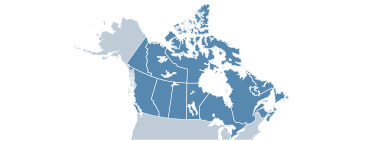
HPOG 2.0 aimed to prepare participants for careers in health care occupations that paid well and were expected to experience labor shortages or increased demand. HPOG 2.0 refers to the second round of five-year HPOG grants that the Administration for Children and Families awarded in 2010. HPOG 2.0 used a career pathways framework with three core components: basic skills training, health care occupational training, and wraparound supports and services. Local HPOG 2.0 programs varied in how they implemented the career pathways framework. Most programs did not develop or provide HPOG-specific training courses. Rather, HPOG 2.0-funded grantees provided navigation services to promote participant enrollment in job training courses, education programs, and work-based learning opportunities. Local HPOG 2.0 programs also offered or connected program participants to an array of additional services, including case management, academic supports, supportive services like child care assistance, and employment assistance. On average, participants completed about six months of training.
All HPOG 2.0 programs served people participating in TANF and other people with low incomes, but local programs set different criteria to determine whether applicants were eligible. HPOG 2.0 was implemented in 38 sites across 17 states, including Arizona, Connecticut, Illinois, Kansas, Louisiana, Michigan, Missouri, Nebraska, New York, Ohio, Oklahoma, Oregon, Pennsylvania, South Carolina, Texas, Virginia, and Washington.

 $656 per year


 High