




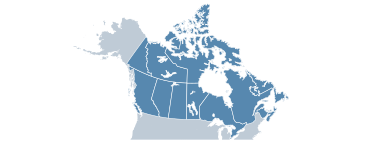
ACE offered occupational and job readiness training within the workforce system. The types of training varied based on labor market demands at each of the nine program sites. ACE also offered learning assessments at program intake; integrated adult education and basic skills training; student support services, including individual case management and additional academic supports when necessary; and transition services, including job search and placement. The duration of the program was 12 months. The exact populations served varied by site; the study describes participants as workers with low skills and low wages. Eligible participants generally needed to possess basic skills, including language proficiency, that would allow them to benefit from the training, and have no significant personal factors that might present barriers to benefitting from the training. The program was implemented in nine sites located in Maryland, Connecticut, Georgia, and Texas.
Summary
The ACE model aimed to improve employment outcomes for workers with low skills through partnerships between Workforce Investment Boards and community colleges.
Populations and employment barriers: At least a high school diploma or equivalent
Effectiveness rating and effect by outcome domain
View table definitionsScroll to the right to view the rest of the table columns
| Outcome domain | Term | Effectiveness rating | Effect in 2024 dollars and percentages | Effect in standard deviations | Sample size |
|---|---|---|---|---|---|
| Increase earnings | Short-term | 
|
 $4,739 per year
|
0.130 | 1513 |
| Long-term |  |
||||
| Very long-term | |
||||
| Increase employment | Short-term | |
|||
| Long-term | |
||||
| Very long-term | |
||||
| Decrease benefit receipt | Short-term | |
|||
| Long-term | |
||||
| Very long-term | |
||||
| Increase education and training | All measurement periods | |
Studies of this program
| Study quality rating | Study counts per rating |
|---|---|
 Moderate Moderate
|
1 |
Implementation details
State(s) where implemented
Pathways to Work refers to programs by the names used in study reports or manuscripts. Some program names may use language that is not consistent with our style guide, preferences, or the terminology we use to describe populations.